Analysis of Automotive Bumper Materials
An automotive bumper is a critical safety and aesthetic component. Its material selection is driven by a balance of lightweighting, energy absorption (pedestrian protection), low cost, and coating quality.
Today, over 90% of passenger car bumpers are made from Modified Polypropylene (PP). Below is a detailed breakdown of the components and materials:
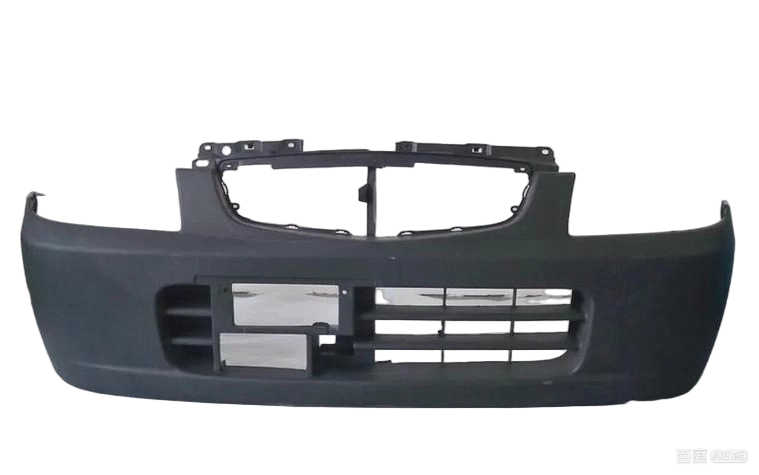
1. Bumper Fascia (The Outer Shell)
This is the visible exterior part that requires high impact resistance and a perfect surface finish.
Mainstream Material: PP + EPDM + TD20 (Toughened & Filled PP)
PP (Polypropylene): The base resin provides excellent processability and low density for weight reduction.
EPDM (Rubber): Acts as a toughening agent. It ensures the bumper remains flexible and does not shatter into sharp shards during an impact, even at low temperatures.
TD20 (20% Talc Filler): Increases stiffness and dimensional stability. It prevents the bumper from warping in the heat and controls the thermal expansion rate for better paint adhesion.
Advantages: Low cost, easy to recycle, excellent chemical resistance, and great paintability.
2. Energy Absorber (Shock Absorber)
Located between the fascia and the reinforcement beam, this part absorbs energy during low-to-medium speed impacts and protects pedestrians' legs.
Mainstream Material: EPP (Expanded Polypropylene)
Characteristics: High energy absorption-to-weight ratio and excellent recovery (elasticity).
Advantages: Tougher than traditional EPS (Styrofoam), it remains intact after impact and is 100% recyclable.
3. Bumper Reinforcement Beam
The "skeleton" of the bumper system, responsible for transferring impact energy to the vehicle’s chassis.
Mainstream Materials:
Ultra-High-Strength Steel (UHSS): Typically hot-stamped steel; used widely for its extreme rigidity.
Aluminum Alloy: Common in mid-to-high-end vehicles for significant weight reduction and high energy absorption efficiency.
Composite Materials (GMT or Long Glass Fiber PP): Used in some EVs or compact cars to achieve maximum lightweighting.
4. Brackets and Grilles
Used for mounting the bumper to the body or providing air intake.
Mainstream Materials: ABS or PC/ABS
ABS: Used for grilles due to its high gloss and ease of electroplating (chrome finish).
POM (Acetal): Used for clips and fasteners due to its high strength and wear resistance.
Core Performance Metrics
Component | Primary Material | Key Requirements |
Bumper Fascia | Modified PP (PP+EPDM+TD20) | Impact resistance, low-temp ductility (-40°C), paintability |
Energy Absorber | EPP | Lightweight, high energy absorption, multi-impact durability |
Reinforcement Beam | Aluminum / Hot-stamped Steel | High yield strength, anti-deformation |
Mounting Brackets | PA6+GF or PC/ABS | Rigidity, thermal stability, connection strength |
Industry Trends
Plastic Replacing Steel: Reinforcement beams are shifting from steel to Aluminum or Long Glass Fiber Reinforced PP (PP+LGF) to save weight.
Paint-Free Materials: To reduce environmental impact (VOCs), some manufacturers use High-Gloss Mold-In-Color PP, which achieves a metallic or "piano black" look directly from the mold without painting.
Sensor Integration: Modern bumpers house ADAS sensors (radar/ultrasonic). Materials must now meet specific Electromagnetic Wave Permeability standards to ensure sensor accuracy.